Skip to content
Table of Contents
Patients often ask one simple question when they come in to get their jawbones rebuilt: how does bone grafting work? The answer blends biology, surgical skill, and the body’s natural ability to rebuild itself.
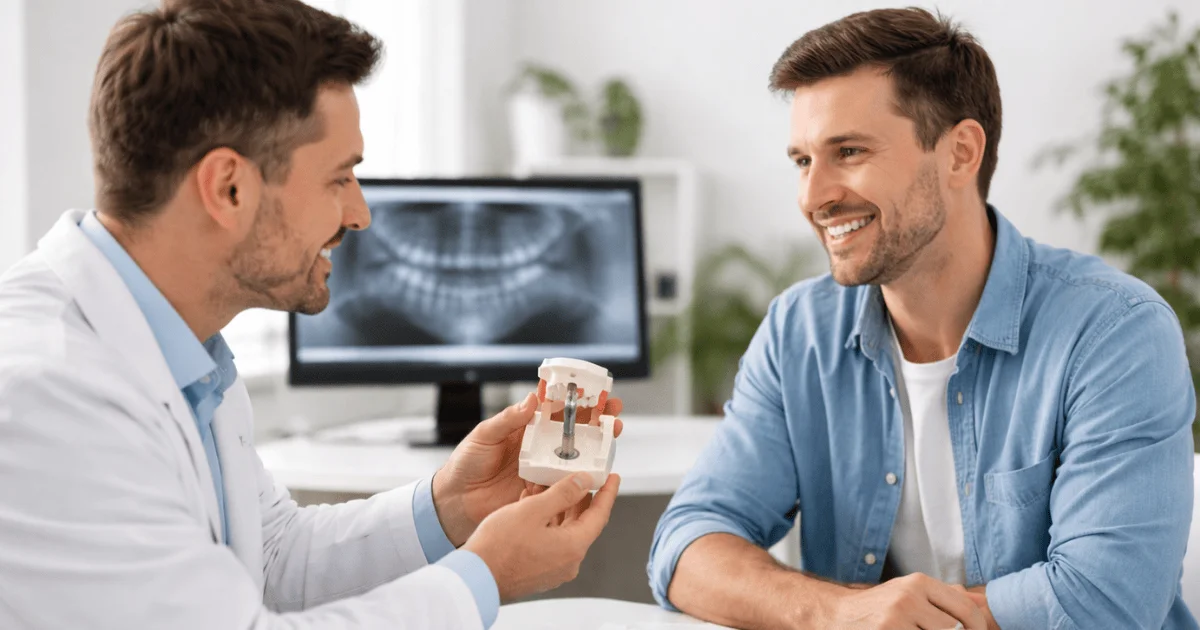
At Silicon Valley Smile Solutions, bone grafting is used to rebuild the jawbone, so dental implants have a stable place to anchor. This guide explains the science behind bone regeneration, the bone grafting procedure, healing expectations, and the benefits that make this treatment so valuable for long-term oral health.
How Does Bone Grafting Work?
When bone is injured, the body sends specialized cells to the area. These cells create new bone tissue over time, restoring strength and shape.
A bone graft acts as a framework. It gives your body a place to grow new bone. Once placed, your natural bone slowly grows into and around the graft material. Over several months, the graft and your bone merge into one solid structure.
This process relies on three key biological actions.
- First is osteoconduction. The graft provides a scaffold that guides new bone growth.
- Second is osteoinduction. Some grafts signal the body to produce bone-forming cells.
- Third is osteogenesis. In some cases, living bone cells in the graft directly contribute to new bone.
Together, these steps allow the jaw to rebuild itself in a controlled and predictable way.
The Bone Grafting Procedure
The bone grafting procedure is carefully planned and customized to each patient. It usually follows a clear sequence designed to promote healing and comfort.
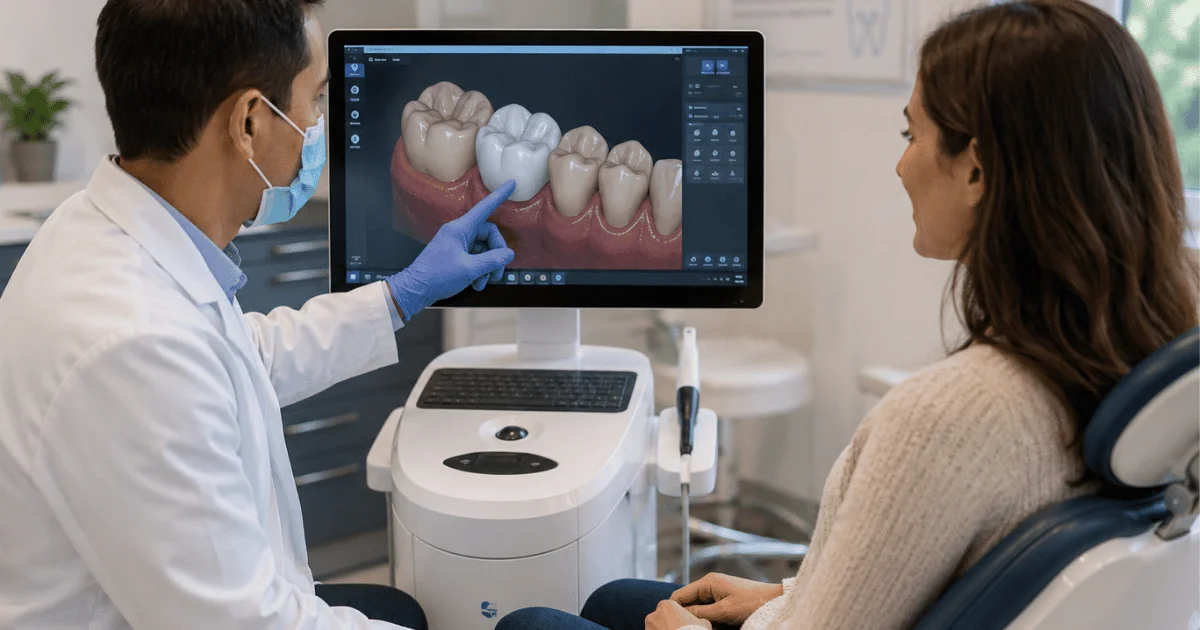
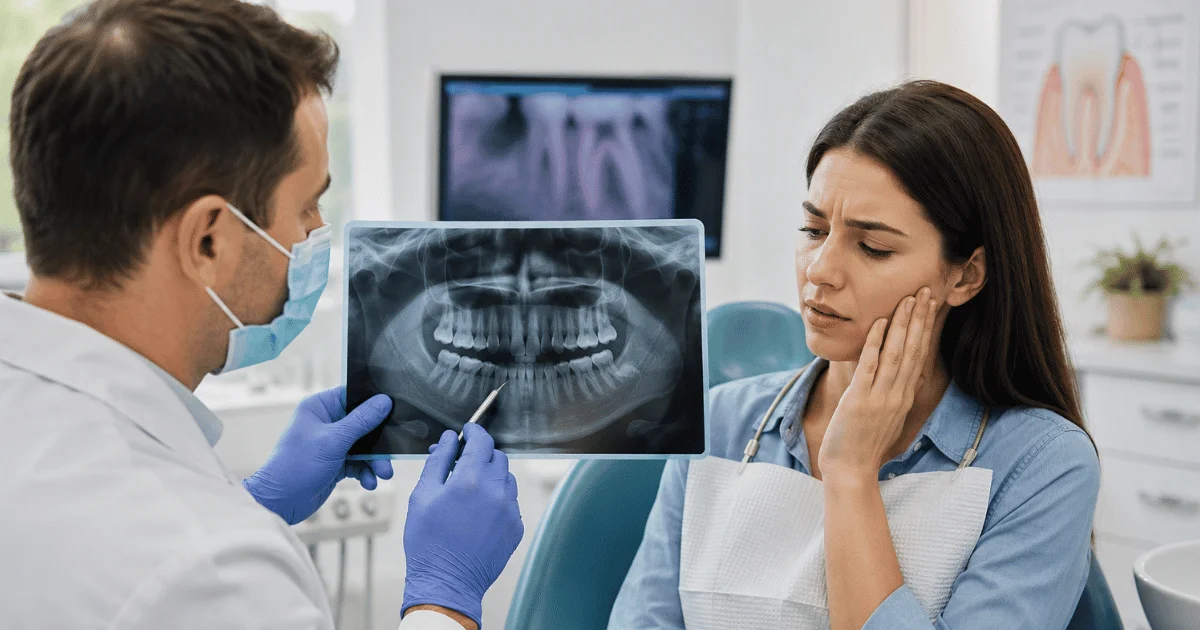
The process starts with a detailed evaluation. Digital imaging helps measure bone density and identify areas of loss. This planning phase ensures the graft is placed exactly where it is needed.
On the day of treatment, the area is numbed for comfort. A small incision exposes the bone, and the graft material is placed into the deficient area. In some cases, a protective membrane is added to keep the graft stable and shield it during early healing.
Once positioned, the area is closed and allowed to heal. The graft does not replace your bone on its own. Instead, it works with your body to encourage natural bone regeneration over time.
Types of Bone Grafting and Graft Materials
There are several types of bone grafting, each with specific uses depending on the patient’s needs and health history.
- An autograft uses bone taken from your own body, often from the chin, jaw, or hip. This option integrates well because it comes from your own tissue.
- An allograft uses donated human bone from a regulated tissue bank. It is processed for safety and acts as a strong framework for new bone growth.
- A xenograft uses processed animal bone, commonly from bovine sources. It is made biocompatible and supports gradual bone formation.
- An alloplast is a synthetic material, such as calcium phosphate or hydroxyapatite. These materials mimic natural bone structure and are widely used in modern dentistry.
Each option has advantages, and your provider will recommend the best option based on the size of the defect, your implant goals, and your overall health.
Bone Regeneration Techniques Used in Modern Dentistry
Bone regeneration techniques have improved significantly over time. Today’s methods focus on guiding the body’s healing response while minimizing discomfort.
One common technique is guided bone regeneration. This uses membranes to protect the graft and allow bone cells to grow without interference from surrounding tissue.
Another approach involves growth factors that stimulate bone formation at the cellular level. These can help speed up early healing and improve graft stability.
Socket preservation is also a valuable method. It places graft material immediately after tooth extraction to limit bone loss from the start.
These techniques help create predictable results and long-term implant success.
The Bone Graft Healing Process and Timeline
The bone graft healing process requires patience, but it follows a steady pattern. In the first few weeks, the area may feel tender as the body begins repair. Swelling is usually mild and temporary.
Over the next several months, new bone gradually replaces the graft material. Blood vessels form, and bone cells integrate into the scaffold. This phase is critical for strength and stability.
Most grafts need three to six months to mature fully. Larger grafts may require more time. Once healing is complete, the jawbone is ready to support a dental implant. Regular follow-ups ensure healing stays on track and allow adjustments if needed.
Benefits of Bone Grafting Surgery Beyond Implants
The benefits of bone grafting surgery go beyond preparing for implants. It helps preserve facial shape by preventing further bone collapse. It supports neighboring teeth by stabilizing the jaw. It also improves bite function and long-term comfort.
Patients often notice an improvement in confidence knowing their foundation is strong. A stable jaw supports a natural-looking smile and proper chewing mechanics. Bone grafting also protects oral health in the long run by reducing future complications linked to bone loss.
Bone Grafting in San Jose, CA
Choosing the right provider matters. Bone grafting in San Jose, CA, offers access to advanced imaging, precise planning, and experienced care.
At Silicon Valley Smile Solutions, treatments are designed around patient education and comfort. Every step is explained clearly so patients understand their options and expected outcomes. This approach helps reduce anxiety and supports better healing.
Local care also means easier follow-up visits and personalized attention throughout the healing process.
What to Expect Before and After Your Procedure
Before treatment, patients receive detailed instructions to prepare. This may include medication guidance and oral hygiene tips.
After the procedure, most patients return to normal routines within a day or two. Soft foods and gentle care help protect the area during early healing. Discomfort is usually manageable with prescribed or over-the-counter medication. Follow-up visits track progress and confirm that bone regeneration is moving forward as planned.
Are You Considering Treatment?
Understanding how bone grafting works can make the decision feel easier. The science behind bone regeneration shows how the body can rebuild itself with the right support.
If you are considering dental implants or have concerns about bone loss, a consultation can clarify your options. Silicon Valley Smile Solutions offers guidance, education, and personalized care for patients seeking bone grafting in San Jose, CA. Get Started Today by scheduling a consultation and learning how bone grafting can support a healthier, stronger smile for the future.