Skip to content
 Replacing a single missing tooth may seem straightforward, but the best outcomes depend on details that are easy to overlook. Bone quality, gum health, bite forces, neighboring teeth, and the visible “smile zone” all influence how an implant looks, feels, and performs over time. Many patients also have understandable concerns about surgery, healing, and whether their results will truly blend in.
At Silicon Valley Smile Solutions, single-tooth dental implants are approached with an assessment-first philosophy and meticulous planning. Rather than treating it as a routine procedure, we evaluate the full picture, why the tooth was lost, how the surrounding tissues have changed, and what is required to restore function and aesthetics predictably. This careful approach helps avoid the common frustrations patients experience when implants look “off,” feel uncomfortable, or create ongoing maintenance issues.
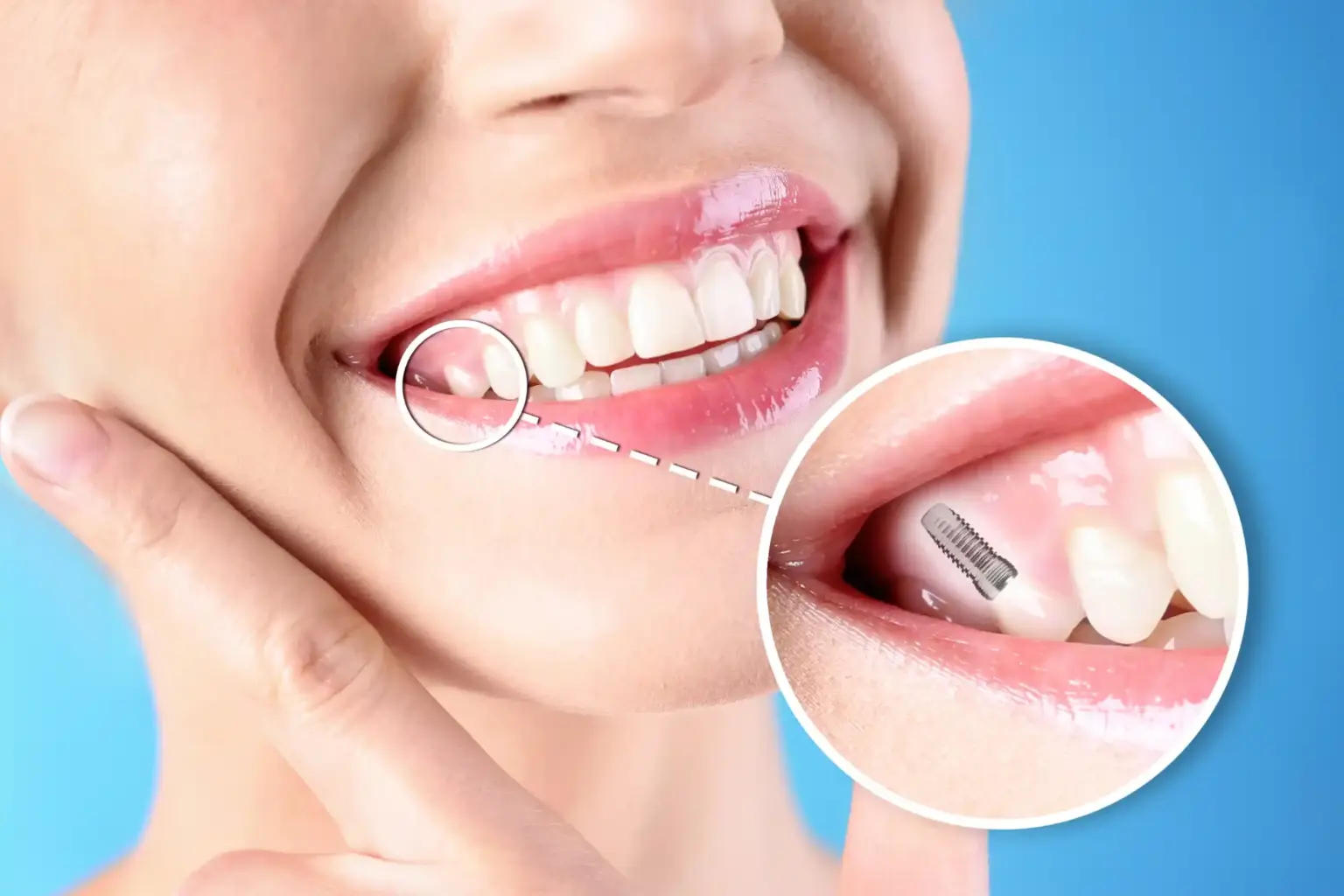

A visible gap that affects confidence or speech
Difficulty chewing on one side or avoiding certain foods
Shifting teeth or changes in bite after tooth loss
A failing crown, root canal–treated tooth, or fractured tooth with poor prognosis
Discomfort or dissatisfaction with a removable "flipper" or temporary option
Prior dental work that did not last as expected
Worry about whether a replacement will look natural and blend in
Replacing the tooth is only one part of successful treatment. Understanding why the tooth was lost, whether from decay, infection, trauma, or gum disease, helps guide implant planning and reduces the risk of repeating the same pattern.
Common contributing factors of tooth loss:
Advanced decay
Can lead to structural failure and infection
Gum disease
May affect bone support and long-term stability
Trauma or fractures
Can compromise the tooth and surrounding tissues
Bite imbalance or grinding
Excessive forces may contribute to tooth breakdown
Failed prior dental work
Recurrent issues may signal deeper structural problems
Delayed replacement after extraction
Bone and gum changes can affect outcomes
Single-tooth implant care demands precision, especially when the tooth is visible in the smile or when the bite is complex. At Silicon Valley Smile Solutions, the process is built around careful diagnostics, detailed planning, and precise execution to position the implant for both long-term function and natural aesthetics.
Our assessment-first approach prioritizes understanding the site’s biology, bone levels, gum architecture, and the reason the tooth was lost before finalizing a plan. This avoids one-size-fits-all dentistry and supports outcomes that look intentional, not improvised.
A bridge uses adjacent teeth for support, while an implant replaces the tooth root and supports a crown independently. The best option depends on anatomy, tooth health, and long-term goals.
Candidacy depends on bone support, gum health, bite forces, and medical history. A consultation and imaging are necessary to determine suitability.
Timelines vary. Some cases require additional healing steps, such as grafting, while others progress more directly. Your treatment plan determines the expected timeline.
Most cases involve an evaluation visit, a surgical visit, and restoration visits. The exact number depends on healing needs and whether preparatory treatment is required.
Common reasons include placement that doesn’t align with the final crown, inadequate tissue support, or bite forces that weren’t thoroughly evaluated. Detailed planning helps prevent these issues.
If you are missing a tooth or facing a tooth that cannot be saved, you deserve a plan that prioritizes long-term health and a natural-looking result. Single-tooth dental implants can be an excellent solution when carefully evaluated and precisely executed.
At Silicon Valley Smile Solutions, we invite you to request a consultation to explore your options together. Our role is to educate, assess thoroughly, and help you move forward with clarity and confidence.